
Understanding 18+ AI Gaming Trends
The landscape of gaming is continuously evolving, with artificial intelligence (AI) driving a significant transformation, especially in 18+ gaming environments. These advancements not only enhance gameplay but also challenge traditional gaming narratives and mechanics. From adaptive storylines to personalized interactions, AI is reshaping the way players engage with games meant for adult audiences. When exploring options, 18+ ai offers comprehensive insights into these developing trends and technologies.
What is 18+ AI Gaming?
18+ AI gaming refers to video games designed specifically for adult audiences that incorporate artificial intelligence to improve various aspects of gameplay. This genre often includes mature themes, complex characters, and intricate narratives that resonate with adult players. AI enhances the immersion factor by creating responsive environments that adapt to a player’s actions, preferences, and play style, thereby making each gaming session uniquely engaging.
Historical Context of AI in Gaming
The implementation of AI in gaming can be traced back to the early days of video games, where simple algorithms dictated enemy movements or actions. However, the significant leap towards sophisticated AI began in the mid-2000s with the rise of more powerful computing technologies and the advent of machine learning algorithms. Over the years, AI has gradually transformed from basic decision-making processes to advanced systems capable of analyzing player behavior, and even creating dynamic narratives in real time, setting the stage for the current era of 18+ AI gaming.
Current Trends Shaping 18+ AI Experiences
- Interactive Storytelling: Many 18+ AI games now feature branching narratives that change based on player choices, allowing for deeper emotional engagement.
- Realistic NPCs: Non-playable characters (NPCs) equipped with AI now offer more complex interactions, making the gaming world feel alive and responsive.
- Personalized Gameplay: AI algorithms analyze individual player styles to tailor experiences, such as adjusting difficulty levels or suggesting content.
Impact of AI on Gameplay Mechanics
Enhanced Player Engagement Through AI
By integrating AI, developers are creating richer player experiences that keep users engaged for longer periods. AI can learn from player behavior, dynamically adjusting the game environment and challenges to match their skill level. This ensures that gamers remain invested, as the game adapts to their skills and preferences, making the gameplay feel both challenging and rewarding.
Adaptive Storylines and AI Dynamics
The use of AI in creating adaptive storylines is a game changer in 18+ gaming. Players no longer follow a linear path; instead, their choices create unique narrative branches, leading to multiple endings. This engagement is crucial, as players often seek fresh experiences, and AI facilitates this by dynamically altering the storyline based on decisions and actions taken throughout the game.
AI's Role in Multiplayer Interactions
In multiplayer settings, AI plays a pivotal role by monitoring player interactions and ensuring balanced gameplay. Advanced algorithms can help manage matchmaking processes, ensuring that players are paired with others of similar skill levels, which helps maintain a fair and competitive environment. Moreover, AI can analyze team dynamics and offer strategic suggestions, enhancing overall teamwork and collaboration.
Ethical Considerations in 18+ AI Gaming
Content Regulation and Age Restrictions
With the rise of 18+ AI gaming, content regulation remains a critical issue. Developers must navigate the complex landscape of age restrictions and content guidelines to ensure that games are appropriate for their intended audience. This often involves creating mechanisms that restrict access based on user age, an endeavor made more complex by the international reach of digital games.
Addressing Biases in AI Algorithms
Another pressing ethical concern is the potential for biases within AI algorithms used in gaming. These biases can result from the data used to train AI systems, leading to unfair representations of characters or scenarios. Developers must remain vigilant in assessing their AI’s training data and continually implement strategies to mitigate bias, thereby ensuring inclusivity and fairness in game design.
Privacy Concerns in Online Environments
In an increasingly connected world, privacy is paramount. AI-driven games often collect and analyze vast amounts of user data to enhance gameplay. This can lead to vulnerabilities concerning player information, making it essential for developers to prioritize data protection. Transparent data policies and robust security measures can help mitigate privacy concerns and foster trust between players and developers.
Future Developments in 18+ AI Gaming
Predictions for AI Evolution by 2026
As we look towards 2026, the evolution of AI in 18+ gaming is poised to accelerate. We can expect to see more sophisticated AI capable of emotional recognition, allowing games to respond to players' emotional states and tailor experiences accordingly. This will usher in a new era of immersive storytelling where emotional engagement will be central to gameplay.
Technological Innovations on the Horizon
Upcoming innovations such as enhanced neural networks and real-time data processing are likely to revolutionize how games are developed and played. These technologies will enable faster responses to player commands, more realistic graphics, and intricate AI behavior that mirrors human-like responses. Such advancements will expand the boundaries of creativity within the gaming industry.
Potential Impacts on Player Communities
As 18+ AI gaming continues to develop, the dynamics within player communities will also shift. With personalized gaming experiences on the rise, we may witness a fragmentation of communities based on gameplay style and preferences. Games will not just be about competition but will also revolve around shared experiences, fostering collaborations and new friendships among players.
Getting Started with 18+ AI Gaming
Choosing the Right Equipment and Setup
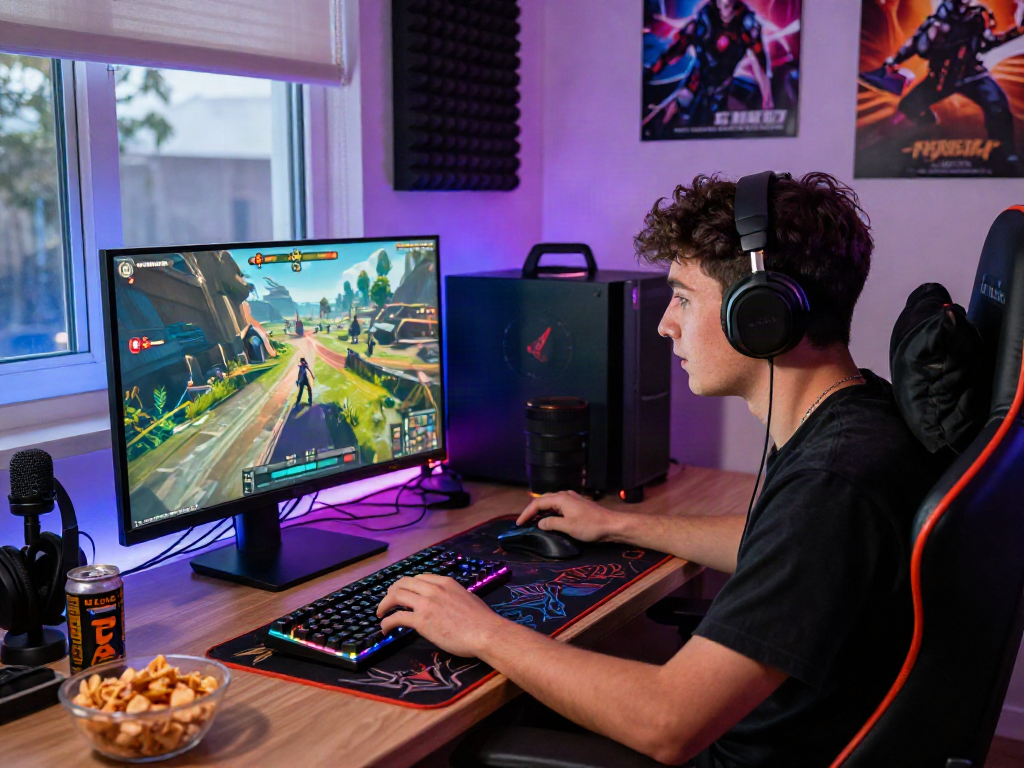
To fully enjoy 18+ AI gaming, it’s essential to have the right equipment. This includes a gaming console or a high-performance PC equipped with significant processing power and RAM to handle complex AI algorithms. High-resolution screens and immersive audio devices can also enhance the gaming experience, making it more engaging.
Best Practices for Safe and Enjoyable Gameplay
Players should consider implementing best practices for safe and enjoyable gameplay. This includes setting time limits to avoid prolonged sessions, being aware of the potential for addiction, and ensuring adherence to age restrictions. Familiarizing oneself with community guidelines and practicing digital etiquette in online interactions will also contribute to a healthier gaming environment.
Resources for Gamers: Communities and Support
Gamers can benefit from joining online communities tailored to 18+ AI gaming. These platforms provide support, resources, and a space to share experiences. Forums, Discord channels, and social media groups focusing on adult gaming can enhance the overall experience and provide gamers with insights into the latest trends and games in the 18+ category.
What are the key features of 18+ AI games?
Key features include adaptive storytelling, personalized gameplay experiences, and realistic NPC interactions that create immersive worlds tailored to adult preferences.
How is AI improving gaming experience?
AI enhances gaming by creating dynamic content, adapting to user behavior, and ensuring engaging interactions, all while providing a unique experience each time the game is played.
What ethical issues arise with 18+ AI gaming?
Ethical issues include content regulation challenges, biases in AI algorithms, and concerns over player privacy, which developers must navigate diligently.
What technological advancements should we expect by 2026?
By 2026, advancements may include emotional recognition AI, faster neural networks, and enhanced data processing capabilities, leading to even more immersive gaming experiences.
How to create a safe gaming environment?
Creating a safe gaming environment involves understanding age restrictions, setting personal gaming limits, and engaging respectfully within player communities while maintaining data privacy and security.